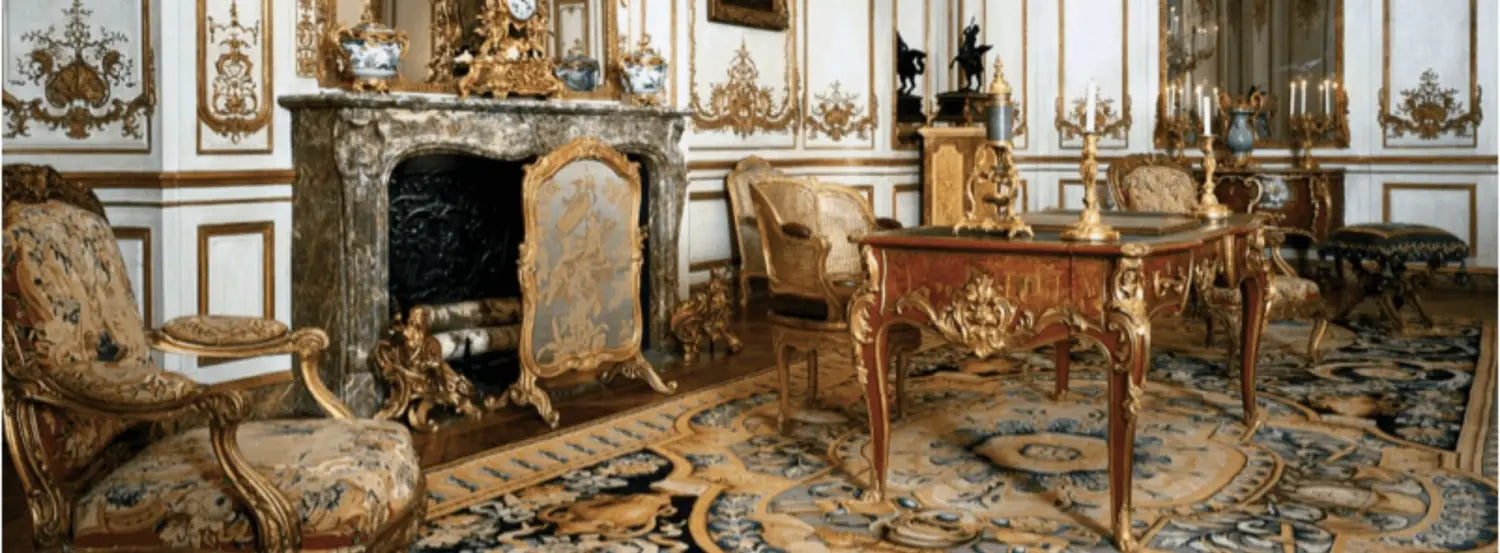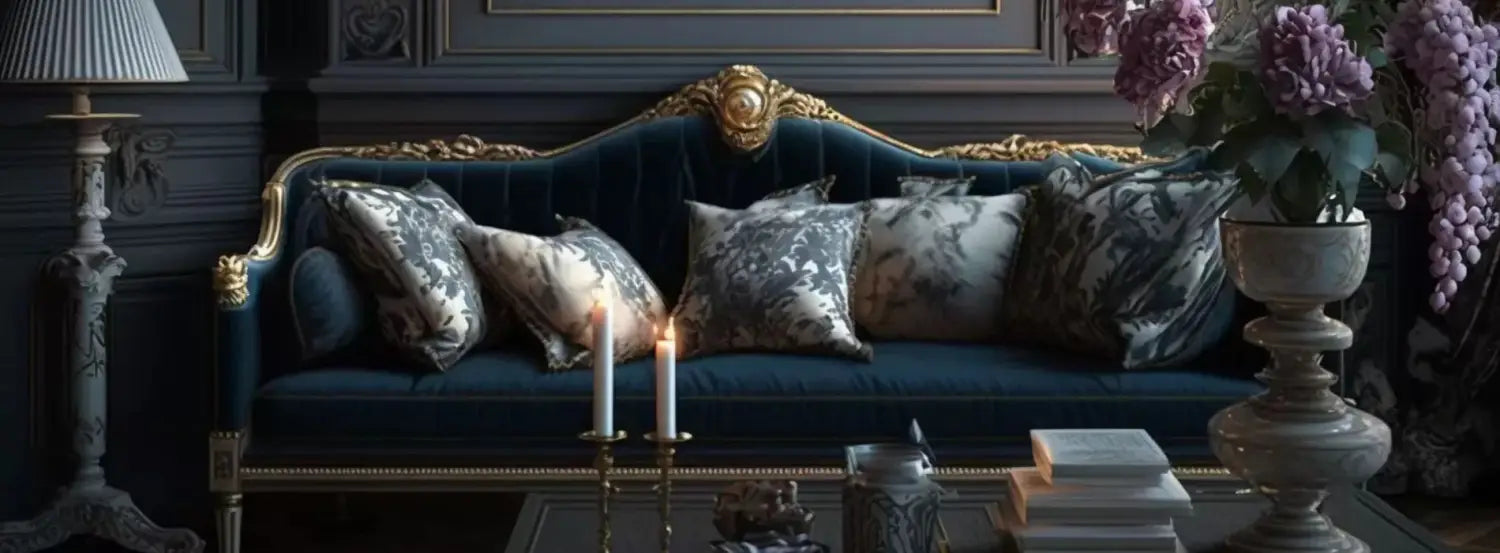
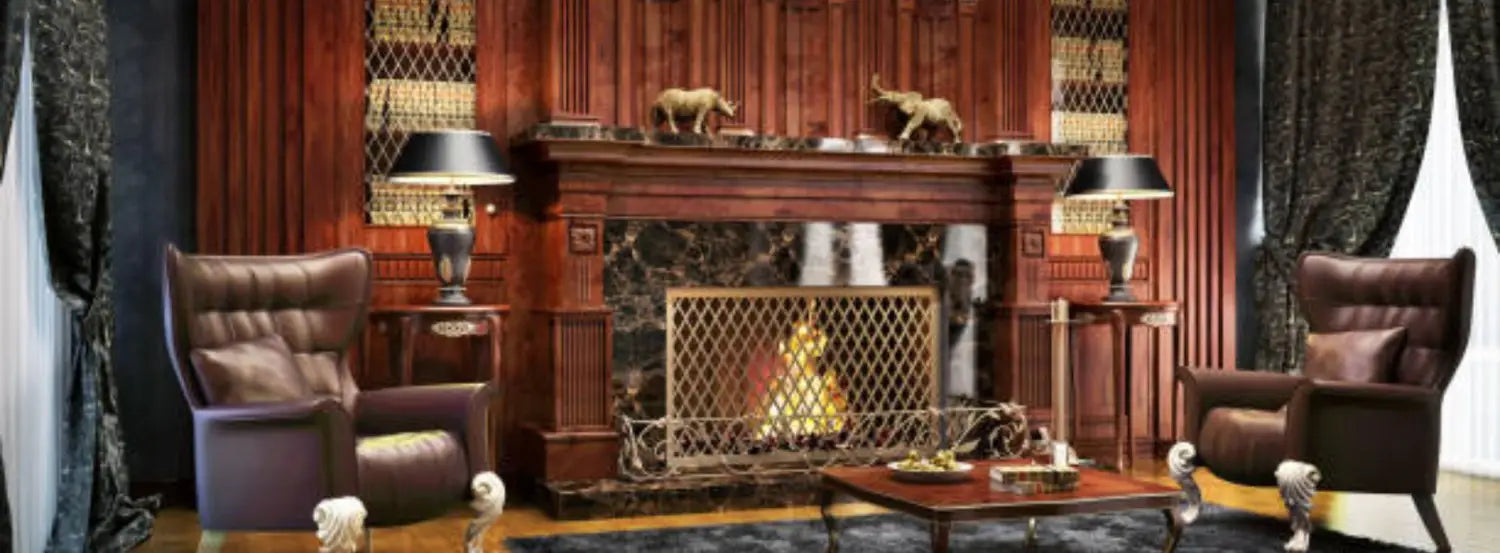
If you've stepped into a thrift store or browsed photos from the 18th century, there's a good chance you've seen pieces and architecture inspired by the Baroque. According to the Victoria and Albert Museum, the Baroque is a popular style of art, design, and architecture that spread throughout Europe in the 17th and 18th centuries. The Baroque was a unique movement because it focused on taking a stand and sending a message, while appealing to people's intellect and emotions.
Baroque architecture was known for its iconic frescoes and stucco walls (via MasterClass). The origin of the Baroque movement in architecture comes from the Catholic Church after the Protestant Reformation. The Vatican wanted to abandon its old Gothic style in favor of a more Roman-inspired style. The Baroque gave way to the Rococo style movement, and the term Baroque eventually came to encompass a wide variety of Victorian-era designs and architects.
Baroque Decoration, a Mixture with Neoclassical Elements
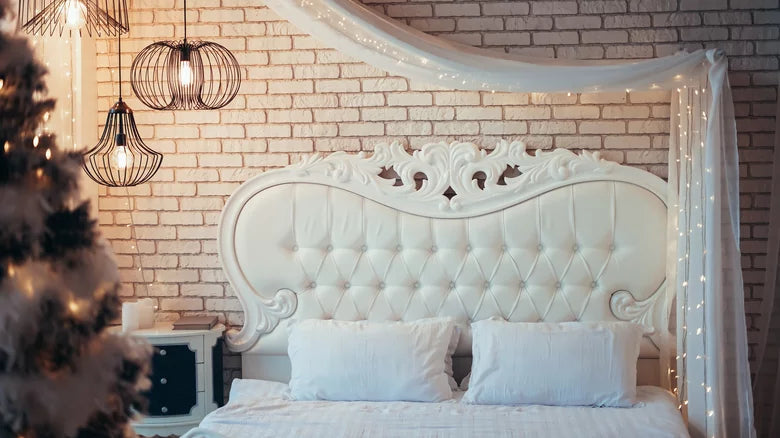
Although they sit on opposite ends of the spectrum in terms of ornamentation in architecture and art, Neoclassical design and Baroque design are commonly grouped together. Both of these artistic movements appeal to emotion, logic, and beauty in different ways. According to Boise State University, the Neoclassical movement, or classical revival, took place during the same period of history as the Baroque and Rococo. The Baroque and Rococo emphasized bright colors, asymmetry, and ornamentation, while the Neoclassical favored symmetry and simplicity. Neoclassical design is inspired by classical Greek and Roman elements and philosophy. Similarly, Baroque architecture was influenced by classicism and the Renaissance movement in Rome (via MasterClass).
Incorporating shared Neoclassical elements into your space is a great way to introduce Baroque design into your home without it being overly ornate. Neoclassical-inspired interiors typically feature a soft color palette, focusing on white, cream, green, yellow, and other muted tones. A good way to integrate it into your space is to use vintage rugs with delicate colors or replace existing chair legs with fluted ones.
Getting Inspired by Baroque Architecture
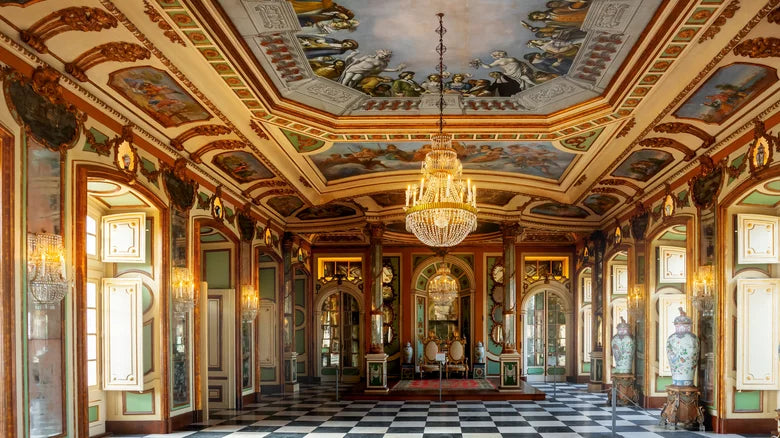
According to The Collector, Baroque architecture was heavily inspired by the Catholic Church in response to the Protestant Reformation, which focused on minimalist, stripped-back architecture. Baroque architecture, by contrast, was deliberately spectacular and intended to be a metaphor for the kingdom of heaven. If you are looking to introduce the Baroque into your home, the architecture of this movement is a great starting point. Because the Baroque was designed to help the Catholic Church, it was known for its grand symbols and designs that provoked emotional reactions. The architecture featured complex shapes and multiple materials. In Baroque interiors, it was also common to have painted or gilded ceilings.
Today, we may not be able to rebuild our homes to incorporate Baroque-style architecture, but we can incorporate curves into our interior decor. For example, adding arched doorways or sculptural furniture with rounded silhouettes can make a room feel warmer and more open. Furthermore, while we cannot paint ceiling frescoes, we can apply wallpaper. Although applying wallpaper to a ceiling may seem daunting, experts recommend starting at the edges of the room and working your way in to make the job go more smoothly (via YouTube).
Decorating with Vintage Pieces

Antique pieces are a fun way to integrate the Baroque style into your interior. According to the Victoria and Albert Museum, Baroque pieces were known for their precious and rare materials. For example, porcelain or lacquered items, especially when imported from East Asia, were coveted by Europeans and even imitated. These pieces were proudly displayed in Baroque homes. Furthermore, marquetry furniture was highly prized. Furniture and decorative objects featuring patterns, often animals or intricate floral designs, were also common.
If you wish to incorporate antique pieces into your interior, it is important to follow the rules of proportion and scale (via Space Wise). You can also group similar objects when displaying them to create a cohesive look and visual interest. In addition, antiques make great anchor points for rooms and are excellent decor elements. For example, using antique mirrors not only bounces light around the room but also draws the eye (via Suzie Anderson Home on YouTube). You can also collect small, rare decorative items, such as trays, books, or vases, to provide small accents to your space.
Decorating with Damask Fabrics
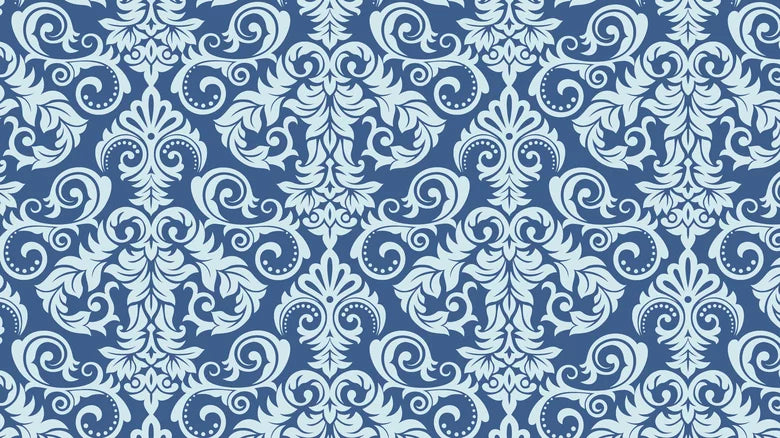
One of the most famous details of the Baroque is the use of luxurious fabrics, especially damask. According to MasterClass, damask is a reversible patterned fabric woven using a jacquard loom. Damask can be made on many textiles, such as silk, linen, wool, or cotton. These textiles are highly sought after, especially in design, as they are strong and durable, making them ideal for covering chairs and sofas. The fabric is also reversible, with the same pattern on both sides, making it perfect for high-contact surfaces that stain easily.
Damask patterns can also be found in different shades of wallpaper (via Houzz). Depending on the chosen color palette, you can give a room a bold or artistic look. You can also use a light-colored damask pattern to contrast with a bold floor or a statement piece. Additionally, gray damask wallpaper is a sought-after shade due to its versatility and ability to bring a Georgian touch into contemporary homes (via F&P Interiors). While muted colors are a great way to bring versatility to your space, you can also get metallic or textured damask wallpaper, which is known for its luxurious look.
Working in Flowers
Another iconic element of the traditional Baroque style is the use of floral prints. According to Provincial Fabric House, if you want to decorate with floral prints, you can use an upholstery fabric that you love and create a color palette from it. This provides a cohesive and modern look. You can also replace your current bedspread with a floral one or use a more modern watercolor floral fabric to cover your chairs. Additionally, hanging floral shower curtains or window treatments is a great, modern way to bring in a Baroque element without spending a lot of money or time (via Saffron Marigold). In your space, you can also incorporate floral cushions into your decor. It is recommended, when using bold prints, to place larger patterns next to smaller ones.
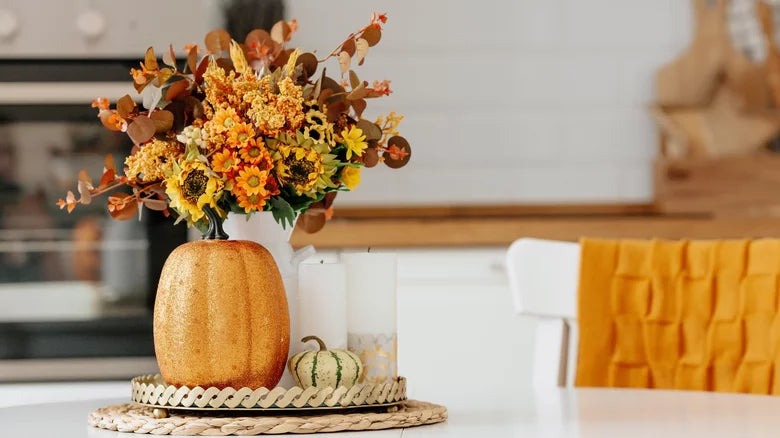
If you don't want to work with floral prints, you can decorate with real flowers, and there are many ways to do so. For example, daisies are suitable for small vases because of their thin stems. They go well with mint, basil, and wildflowers. Peonies are imposing flowers with thick stems, making them perfect for displaying in a pitcher. They also pair well with any neutral-colored flower or greenery. If you choose to decorate with roses, they are versatile and can be placed in virtually any vase that is tall enough (via On Sutton Place).
Decorating with Louis XVI Inspired Items
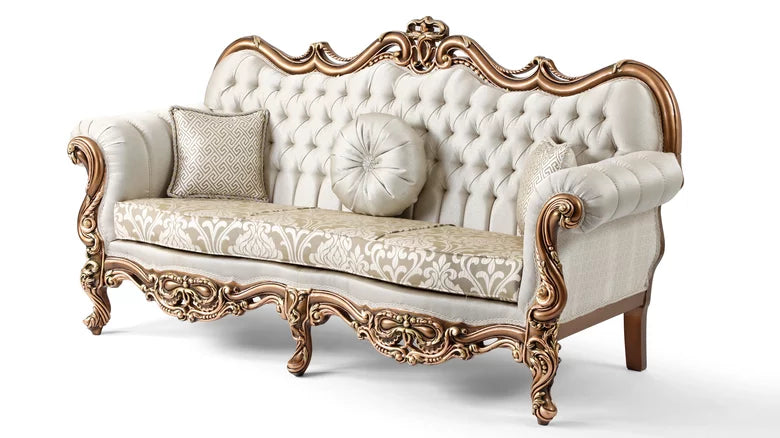
The Louis style is one of the most iconic furniture styles in Baroque interior design. According to Suphan Classic Home Co, there are four eras of Louis furniture: XIII, XIV, XV, and XVI. Each Louis style represents different monarchical reigns and is distinguished by its style. For example, Louis XIII furniture was elaborate, while Louis XIV furniture was significantly more conservative.
Today, Louis XVI furniture is the most popular. These pieces feature straight lines and sharp angles, unlike earlier Louis furniture, which featured arched legs and curves. Louis XV furniture was known for its cabriole legs, while Louis XVI furniture had fluted or reeded legs. Additionally, Louis XVI furniture was made of oak, mahogany, ash, ebony, copper, steel, porcelain, or marble, but it was generally painted using a lacquer or varnish.
To buy vintage furniture, such as Louis-inspired pieces, you can go to estate sales, auctions, flea markets, antique stores, or find them on social media (via Lynchburg Living). You can also add or change the legs of your furniture to match Louis-era furniture. Some furniture legs can unscrew easily, but if your furniture has glued-on legs, you can pry them off using a screwdriver and a hammer (via YouTube).
Using Oriental Rugs
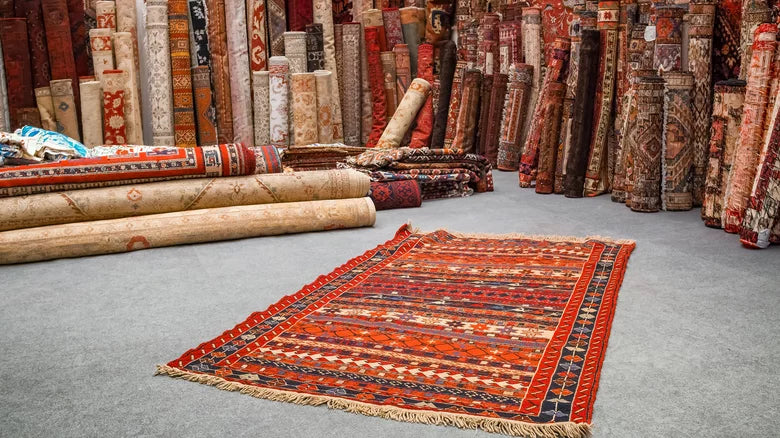
The Baroque is known for its ornamental details, such as the use of Oriental rugs. According to Claremont Rug Company, there are many ways to use these rugs to enhance your space. For example, in large rooms with high ceilings, rugs with deeper, contrasting colors work well, whereas rugs with lighter colors get lost and appear washed out. Additionally, medallion-style rugs will add elegance and visual interest to a room. Oriental rugs can also be used as focal points in a room. You can also use multiple rugs in a living room or bedroom, especially if it is a large space, to add warmth and a sense of comfort. For bedrooms, you can place two small rugs on each side of the bed, then a third at the foot (via Catalina Rug).
When choosing an Oriental rug, you can buy a handmade or machine-made piece. Because of their durability, many homeowners choose to invest in a handmade rug. To find out how your rug was made, Jessie's Oriental Rugs suggests examining the weave on the back. In handmade rugs, there will be a horizontal fringe line in white, red, or blue, which forms the weft or base thread. In addition, handmade Oriental rugs are rarely perfectly uniform. When observing the design, you should see a difference in the thickness of the lines, and the weave color may also differ slightly. Finally, handmade rugs may have a label on the back indicating "Handmade in Iran" or "Handmade in India." As for material, handmade Oriental rugs are generally made of wool, while most machine-made rugs are made of nylon or polyester.
Getting Inspired by French Design
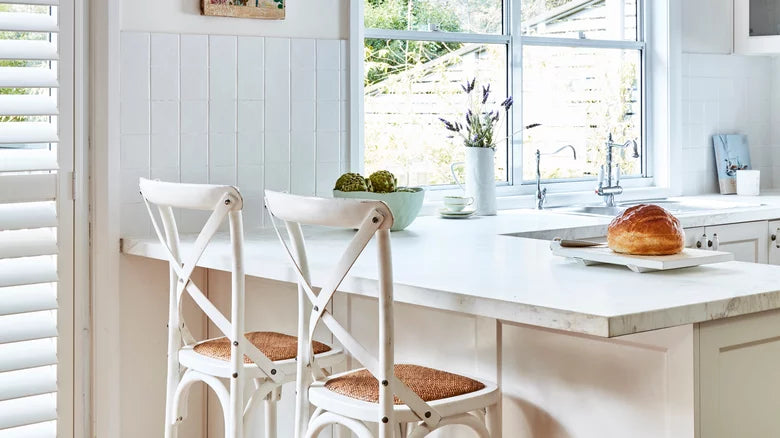
Provincial, farmhouse, and French château styles were inspired by the Baroque movement. Although these styles occurred at slightly different times, they use the same furniture, design philosophies, and trends as the Baroque. According to Brocante Ma Jolie, the French provincial style is known for its warmth and is attributed to rural France and the elegant furniture associated with the Provence region. The color palette for this style includes earthy tones. French provincial was born from peasants who wanted to have the luxurious style associated with kings. They therefore created delicate furniture with ornamental details.
French farmhouse was known for being rustic and was inspired by French farms. This style is known for its use of wood, parquet flooring, and furniture with simple shapes and little ornamentation. French farmhouse is also known for its distressed furniture.
The Château style, on the other hand, is the closest to the Baroque style and is known for its ornate details, quality items, and touches of gold. This style was popular for showing social rank. That is why bronze and crystal are the materials most associated with châteaux. Additionally, walls were adorned with moldings, large paintings, and sconces. Oversized bedding and furniture were also part of the decor. To decorate your space with château-inspired flair, look for luxurious clocks, large gilded mirrors, and crystal light fixtures.
Decorating with Large Mirrors
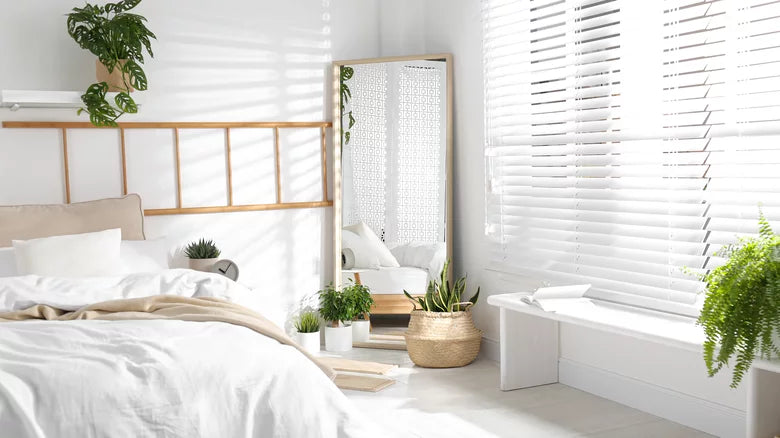
A good way to introduce the Baroque into your home is to use large mirrors in your space. According to Foter magazine, large mirrors can add depth to your space by making it feel more spacious. You can also add oversized floor mirrors behind a sofa or place one at the end of a hallway. This gives the impression that the space continues. Large mirrors can also be used as wall decor, rather than standing on the floor. These pieces create elegant statements and visual interest.
As a general rule, it is best to hang mirrors at a height of 60 to 65 inches from the floor (via Safavieh). Interior designer Andrea West explains to the Washington Post: "When it's too high, the room feels disconnected. When you lower it slightly, you feel more intimate in the space." She adds: "If your furniture features clean lines, I would opt for a more ornate mirror that would add personality and detail."
When decorating with large mirrors, it can be difficult to choose the type of frame and shape that suits the space. Additionally, oversized mirrors can be expensive, especially if they are ornate or gilded. However, you can repurpose an inexpensive or existing mirror by using wooden scrollwork details and spray paint to create a Baroque-style mirror (via YouTube).
Decorating with Grand Pieces
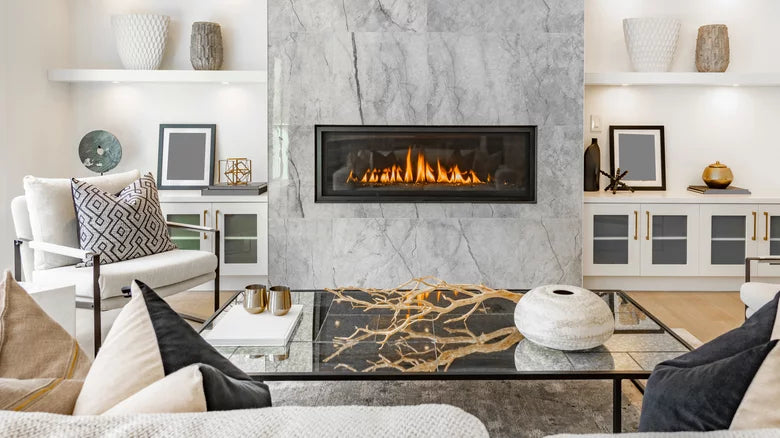
Using proportions and scale is a great way to introduce Baroque vibes into your room. As the Baroque style was a response to the Protestant Reformation that sought to draw attention to the Catholic Church by being extravagant, the pieces of that era were large and extremely decorative. Even if you may not have the space to accommodate large pieces, you can use scale to give the illusion of grandiose and luxurious objects.
According to MasterClass, objects can be adapted to a room's ceiling height to enhance it. If you have high ceilings, you can use larger, more dominant furniture, while lower ceilings require smaller items. To draw attention to bulkier objects, you should design around them instead of trying to fit them into your existing scheme. Furthermore, scale works best in a room where negative space is planned for. For example, if you are designing a gallery wall, instead of placing the frames close to one another, leave sufficient space between them.
Another way to approach balance and scale in interior design is the 60-30-10 rule, which generally applies to color. Essentially, a room should be composed of 60% of a dominant color, 30% of a secondary color, and 10% of an accent color. The 60% rule applies, for example, to the wall color, large rugs, or sofas, while the 30% rule applies to curtains and smaller armchairs. As for the 10%, these are artworks, cushions, throws, and accessories (via Sara Lynn Brennan).
Using wall sconces
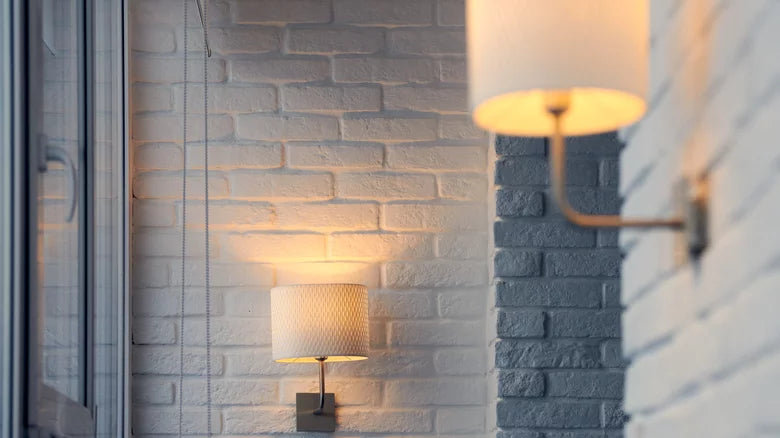
Wall sconces are an integral part of Baroque decor. According to Yellow Brick Home, the beauty of wall sconces is that they can be added practically anywhere, especially in hallways, entryways, and at bedside tables. While wall sconces are typically plugged into outlets or hardwired, you can also install an LED puck light in your wall sconce (via YouTube). Using LED chips is a great way to achieve a cordless look, while remaining apartment and renter-friendly. How about that for a hack?
When choosing a wall sconce, consider the other lighting and accessories in your home. Some sconces use integrated LED lights, while others use bulbs. The type of light you want filtering into your home will determine the type of sconce you should purchase. Additionally, sconces are available with glass covers, metal shades, or fabric shades. Each of these distributes light differently and will influence the style of your space.
You can also purchase or build a candle sconce, which is a decorative shelf or holder on which a candle rests. To build one yourself, you can use scrap wood to craft one that blends in with your space (via YouTube). When decorating with a candle sconce, keep in mind that they can come in various styles, including French, gilded, colonial, and regency. If you choose to hang sconces near a painting or mirror, it is recommended to hang them vertically at a distance of 3 to 10 inches from the frame (via Pender & Peony).
Decorating with glass
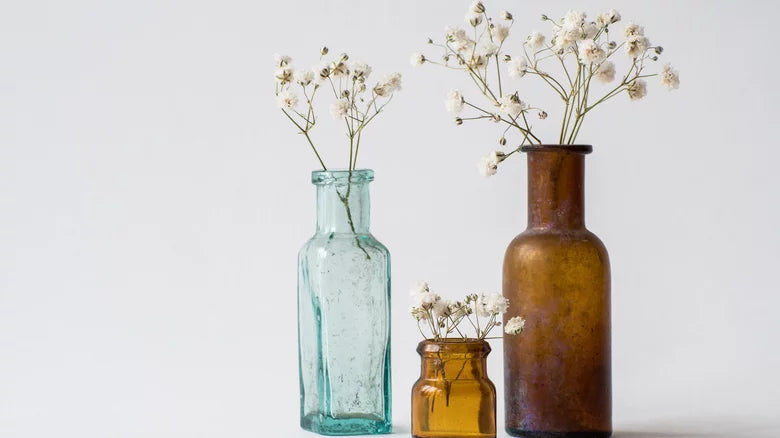
Baroque-style interiors make use of precious materials, including glass. Today, there are many ways to decorate our interior spaces with glass. According to Sanctuary Home Decor, we can decorate our kitchens with glass-front cabinets. To do this, it is important that the colors of the items displayed in the cabinets are consistent and complementary, as this gives the room a cohesive look. Because of their transparency, you can decorate glass cabinets with just a few accent items. For instance, if you want to warm up your space, you can use gold or copper tableware.
Display cabinets can also be used to showcase other precious and rare items, such as figurines or fine china. If you do not have the option to install display cabinets, or if